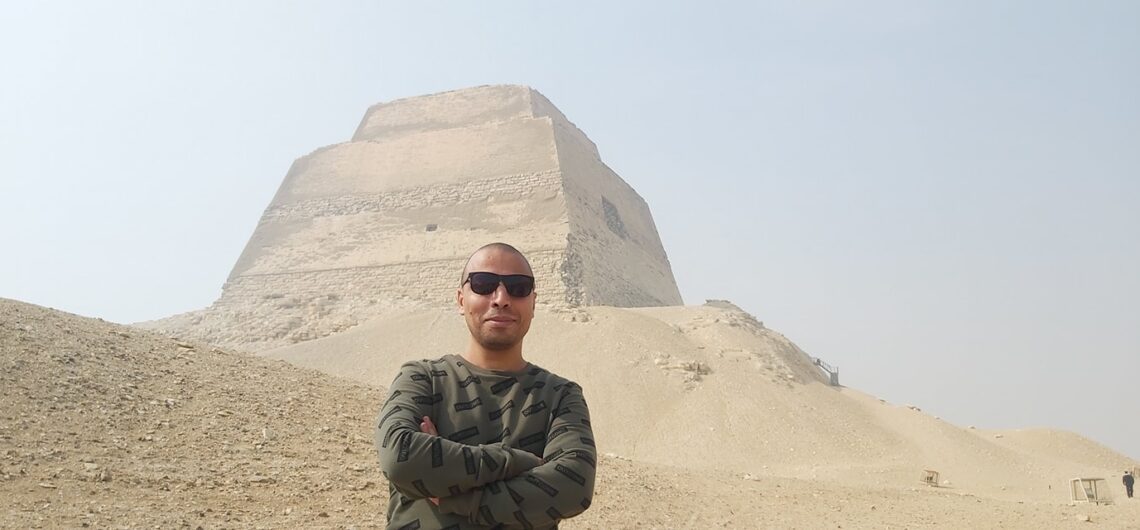
Nestled along the western edge of the Faiyum Oasis, about 100 kilometers south of Cairo, lies the Meidum Pyramid—a captivating site that offers a unique glimpse into the architectural evolution of ancient Egypt. While often overshadowed by the more famous pyramids of Giza, Meidum is a treasure trove of history, intrigue, and architectural innovation. As a tour guide specializing in Egypt’s hidden gems, I invite you to join me on a journey to uncover the secrets of the Meidum Pyramid and explore its significance in the annals of ancient Egyptian history.
The Enigmatic History of Meidum
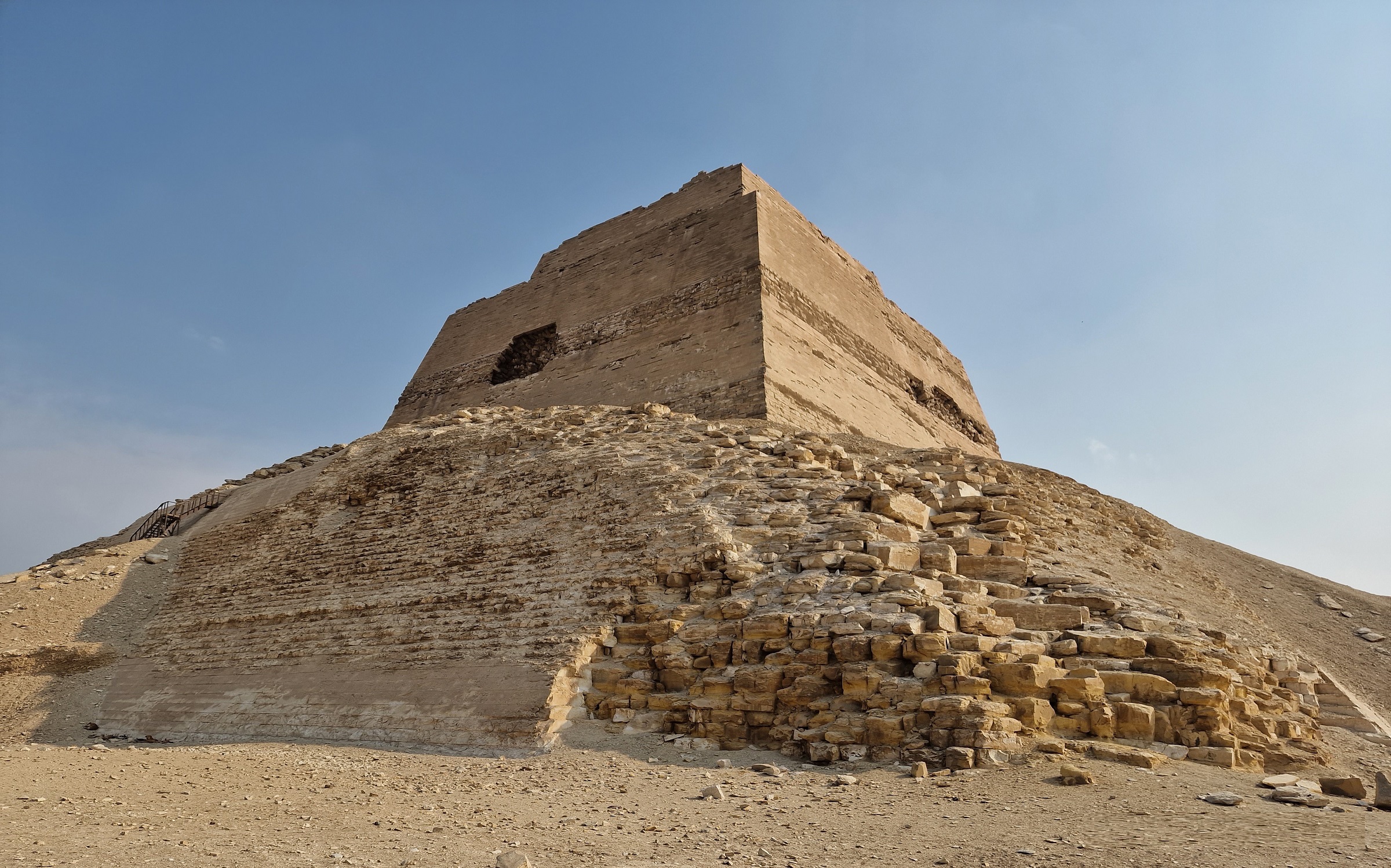
The Meidum Pyramid stands as one of Egypt’s earliest attempts to construct a true pyramid and marks a significant milestone in the evolution of pyramid building. Initially commissioned by Pharaoh Huni, the last king of the Third Dynasty (around 2600 BCE), it was later completed and modified by his successor, Pharaoh Sneferu, the founder of the Fourth Dynasty. This pyramid was originally designed as a step pyramid, similar to the famous Pyramid of Djoser at Saqqara, and was later encased in smooth limestone to create a classic pyramidal shape.
Despite its ambitious design, the Meidum Pyramid experienced structural instability, leading to the collapse of its outer layers. This collapse transformed its appearance into a unique shape with a tower-like core and surrounding debris, earning it the nickname “The Collapsed Pyramid.” While initially seen as a failure, the Meidum Pyramid was a crucial learning experience that informed the construction of later pyramids, including the Bent Pyramid and the Red Pyramid at Dahshur.
Architectural Evolution and Significance
The Meidum Pyramid is often considered a bridge between the step pyramids of the Third Dynasty and the smooth-sided pyramids of the Fourth Dynasty. It marks the transition from experimental designs to the more refined techniques that would be perfected in subsequent constructions, such as the iconic Great Pyramid of Khufu at Giza.
This transformation from a step pyramid to a smooth-sided one represents a key moment in ancient Egyptian architectural history. Sneferu’s willingness to innovate and experiment with pyramid design laid the foundation for future advancements, setting the stage for his successors to create the wonders that continue to captivate the world today.
Visiting the Meidum Pyramid allows travelers to witness firsthand the ingenuity and determination of ancient Egyptian architects as they pushed the boundaries of construction. The site’s unique design offers valuable insights into the challenges faced by early builders and the solutions they devised to achieve their monumental goals.
The Meidum Necropolis: A Window into the Past
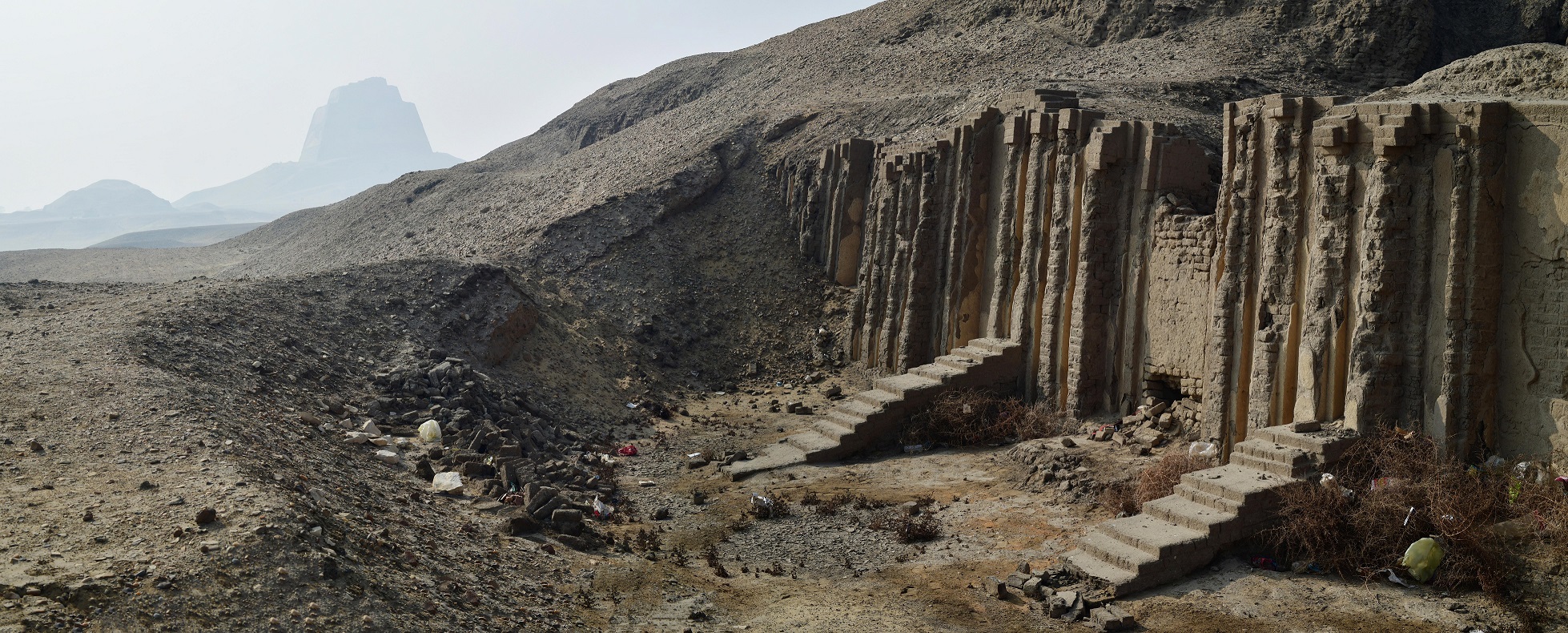
In addition to the pyramid itself, the Meidum site features a necropolis rich in archaeological treasures. The surrounding area is home to a series of mastabas, or tombs, belonging to high-ranking officials and members of the royal family. These tombs provide a wealth of information about the social structure, religious beliefs, and daily life of ancient Egyptians during the Old Kingdom.
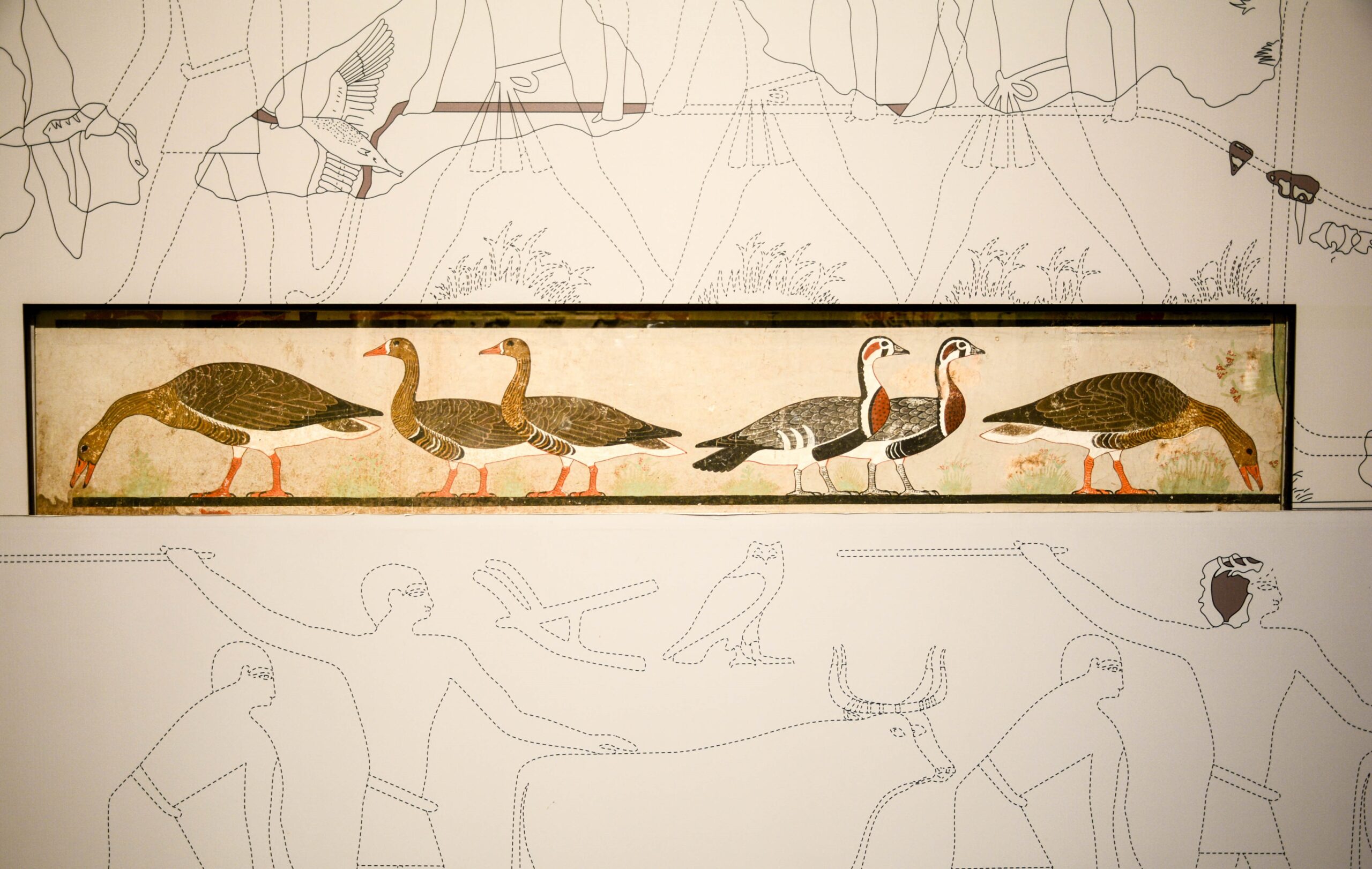
One of the most notable tombs at Meidum is the Mastaba of Nefermaat and his wife, Itet, who were close relatives of Pharaoh Sneferu. This tomb is renowned for its beautifully preserved wall paintings, which depict vivid scenes of daily activities such as hunting, farming, and religious rituals. The artwork found in these tombs offers a fascinating glimpse into the lives of the people who once inhabited this ancient world, showcasing their artistry, spirituality, and deep connection to the natural environment.
The depictions within the Meidum necropolis provide invaluable insights into the Egyptians’ beliefs about the afterlife. The intricate carvings and frescoes illustrate the importance of religious ceremonies and the emphasis placed on ensuring a successful journey to the afterworld. Visitors to Meidum can explore these tombs and witness the rich cultural heritage that has endured through the ages.
The Mystery and Legacy of Meidum
The Meidum Pyramid is surrounded by an air of mystery that continues to intrigue scholars and historians. One of the most puzzling aspects of the site is the absence of a burial chamber or sarcophagus within the pyramid. While it was intended as a royal tomb, no evidence of a burial has been discovered, leading to speculation about its original purpose and use.
Some researchers propose that the Meidum Pyramid may have served as a cenotaph—a symbolic monument rather than an actual burial site. Others suggest that it was a secondary burial location for Sneferu, with his primary tomb being the Bent Pyramid at Dahshur. These theories add an element of intrigue to the site, inviting visitors to ponder the intentions and motivations of the ancient builders.
Despite its enigmatic history and structural challenges, the Meidum Pyramid holds a significant place in Egypt’s architectural legacy. It represents a pivotal moment in the evolution of pyramid construction and highlights the ambition and creativity of ancient Egyptian architects. Sneferu’s experiments at Meidum paved the way for the remarkable achievements of his successors, ensuring that the lessons learned here would shape the construction of some of history’s most iconic structures.
Exploring Meidum Today
For travelers seeking to delve deeper into Egypt’s ancient wonders, a visit to the Meidum Pyramid offers a rewarding and enriching experience. The site provides an opportunity to escape the crowds and explore a lesser-known but equally fascinating piece of Egypt’s history.
As you approach the Meidum Pyramid, the sense of awe is palpable. Standing at the base of the towering structure, you are transported back in time to an era of innovation and exploration. The surrounding desert landscape adds to the allure, creating a serene setting that invites reflection and appreciation of the ancient world.
Visitors can wander through the Meidum necropolis, exploring the intricately decorated tombs and connecting with the stories of those who lived thousands of years ago. The site offers a chance to immerse yourself in the art and culture of ancient Egypt, providing insights into a civilization that has left an indelible mark on human history.

Comments