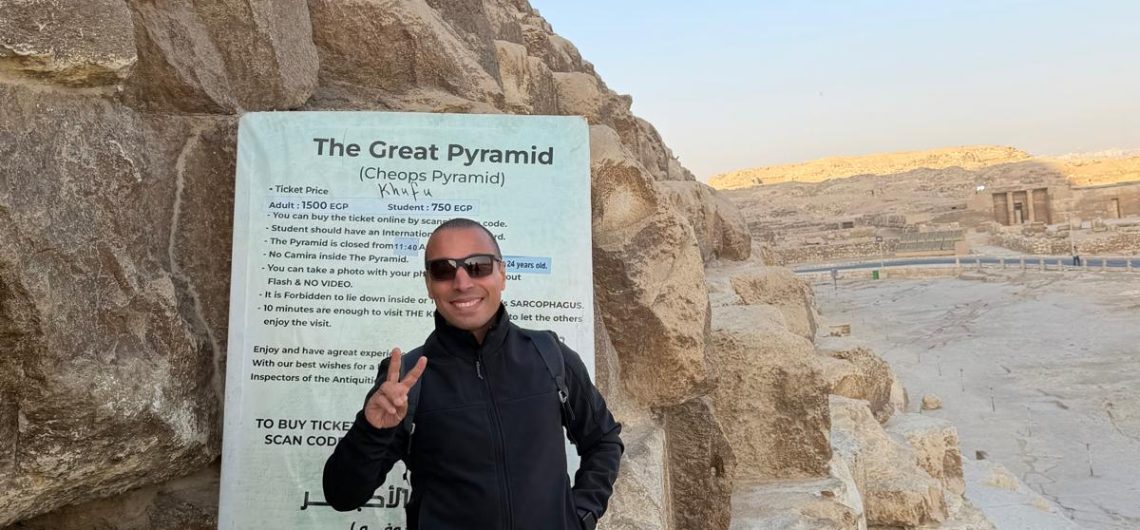
Why Ramses XII Is the Best Egyptologist Tour Guide in Cairo? When you think of
Why You Should Hire Ramses XII as Your Private Egyptologist Guide in Egypt Planning a trip to Egypt? Whether you’re stopping over in Cairo or planning a full adventure through Giza, Saqqara, or Luxor, one of the most important decisions you’ll make is who guides you. With so much history packed into every corner, hiring a private Egyptologist guide isn’t just a luxury—it’s the key to unlocking the real story of Egypt. That’s where I come in. I’m Ramses XII, a licensed Egyptologist and professional private tour guide with over 20 years of experience, and I design private Egypt tours that go far beyond the usual. Here’s why travelers from around the world choose to tour Egypt with me—and why you should consider doing the same. See More Than Just Stones—Discover the Real Story Egypt is more than pyramids and temples—it’s layers of civilization, religion, art, and science stretching back over 5,000 years. With a private Egyptologist, you don’t just walk through monuments. You understand who built them, why they matter, and how they shaped the world. On a typical tour with me, you'll hear about: The secrets behind the construction of the Great Pyramid The true identity of the Sphinx Daily life in ancient Egyptian society Myths, mummies, pharaohs, and gods—all explained clearly, and with passion Whether you're a history enthusiast or just curious, a real Egyptologist like myself makes every site come alive. Get a Custom, Private Tour Built Around You Unlike large group tours that follow a rigid schedule, my private Cairo tours and Giza Pyramids experiences are built around you. Your time, your interests, your pace. Want to spend more time inside a pyramid? Prefer to explore lesser-known tombs at Saqqara? Have a layover and want to squeeze in as much as possible? I’ve got you
Why You Should Hire Ramses XII as Your Private Egyptologist Guide in Egypt Planning a
What to Do on a 6-Hour Layover in Cairo? Pyramids, Bazaars, and a Taste of Ancient Egypt So, you’ve got a 6-hour layover in Cairo—just enough time to get out of the airport and dive into one of the most fascinating cities on Earth. But where do you start? Is it really possible to see the Pyramids and get back in time for your flight? The answer is yes, and you don’t even need to figure it out yourself. I’ve got just the plan. On my Cairo Layover Tour, I help travelers like you make the absolute most of short stopovers. No stress, no rushing, just a carefully timed adventure that hits the highlights and gets you back to the airport in time, satisfied and smiling. Can You Really See Cairo in 6 Hours? Absolutely. As long as your layover gives you at least 6 hours outside the airport (preferably 7–8 including customs and security), you can visit the Giza Pyramids, snap photos with the Sphinx, explore Islamic Cairo, or even sip mint tea at Khan El Khalili Bazaar. With my private Cairo layover tour, everything is timed down to the minute. I’ll pick you up right at the airport and have you back with enough buffer to breeze through security again. The Layover Tour Itinerary: What to Expect Here's what a typical 6-hour Cairo layover could look like: Stop 1: Giza Plateau — The Great Pyramids & the Sphinx Your first and biggest wow: the Pyramids of Giza. Yes, the real thing, no green screen, no museum models. You’ll walk where Pharaohs once stood, get incredible photos, and if time allows, hop on a camel or even step inside one of the pyramids. We’ll also meet the Great Sphinx, one of the most iconic statues in the world. I’ll
What to Do on a 6-Hour Layover in Cairo? Pyramids, Bazaars, and a Taste of
When Is the Best Time to Visit Egypt? A Season-by-Season Guide (2025) Egypt is a bucket-list destination packed with ancient wonders, vibrant culture, and desert landscapes. When you visit can make a big difference in how enjoyable your trip is. From weather and crowds to festivals and travel deals, here’s everything you need to know about visiting Egypt in 2025. High Season: October to April. Best Weather, Most Crowds If you want sunny days and cool evenings while exploring the Pyramids or cruising the Nile, October to April is ideal. Temperatures are comfortable, especially from December to February, making it a great time for sightseeing. This is also the busiest travel season, especially around Christmas, New Year, and Easter. Expect higher prices and more visitors at famous sites like Giza, Luxor, and Abu Simbel. Booking in advance is a smart idea. Best for: First-time visitors, cultural tours, Nile cruises, desert tripsWeather: Cairo averages 22 to 28°C (72 to 82°F) during the day and gets cooler at night Shoulder Season: May and September. Fewer Tourists, Warm Weather May and September are great months if you want fewer crowds and don’t mind warm temperatures. Prices drop, and popular sites are less busy. Expect hot days, especially in Luxor and Aswan, but mornings and evenings are still enjoyable. Plan your outings early in the day. Best for: Budget travelers, photographers, those visiting againWeather: Warm to hot, depending on the location Low Season: June to August. Hot Weather, Great Deals Egyptian summers can be intense. From June through August, temperatures often go above 40°C (104°F), especially in southern Egypt. But for travelers who can handle the heat, this is the cheapest time to go. Hotels and tours offer big discounts. You’ll also enjoy more personal space at temples and museums. Best for: Budget-conscious travelers,
When Is the Best Time to Visit Egypt? A Season-by-Season Guide (2025) Egypt is a
Egypt is a destination like no other — ancient pyramids, vibrant cities, and rich culture all wrapped into one unforgettable journey. But before you hop on that plane, there are a few important things to know that can make your experience smoother and more rewarding. Here's a practical, traveler-friendly guide to help you prepare for your trip to Egypt in 2025. 1. Dress Modestly, Especially in Rural or Religious AreasEgypt is a conservative country. While tourist hotspots like Cairo or the Red Sea coast may be more relaxed, it’s respectful to dress modestly, especially when visiting mosques or villages. Think lightweight long pants, loose tops, and a scarf for women, just in case. 2. Respect the Local CultureEgyptians are known for their hospitality, but being mindful of traditions goes a long way. Avoid public displays of affection, use your right hand for eating, and ask before taking someone’s photo, especially in rural areas. 3. Carry Cash — Not Everywhere Accepts CardsCredit cards are widely accepted in hotels and big restaurants, but cash is still king in Egypt, especially in local markets (souqs), small eateries, and for tipping. ATMs are available in cities, so keep some Egyptian Pounds (EGP) on hand. 4. Tipping is Part of Everyday Life known locally as “baksheesh,” is a common practice. It doesn’t have to be much, but a small tip shows appreciation and is often expected. 5. Yes, Egypt is Safe for Travelers — With PrecautionsEgypt is generally safe for tourists, especially in main destinations like Cairo, Luxor, and Aswan. That said, use trusted transportation, avoid political demonstrations, and book tours with licensed guides for extra peace of mind. 6. Ramadan May Affect Your TripIf you’re traveling during Ramadan (the Islamic holy month), be aware that many locals fast from dawn to dusk. Some restaurants may
Egypt is a destination like no other — ancient pyramids, vibrant cities, and rich culture
Tucked away on the west bank of Luxor, the Ramesseum, once a grand testament to Ramesses II’s legacy, stands today as a mix of awe-inspiring ruins and remarkable resilience. Though partially collapsed, what remains of this mortuary temple still speaks volumes about the Pharaoh who ruled Egypt for an astonishing 67 years. While simpler in design compared to some New Kingdom temples, the Ramesseum was built with precision and high-quality materials. Ramesses’ successors, his son Merenptah and Ramesses III, added minor touches, but the original vision remained untouched, a tribute to the king's architectural ambition. Ramesses II was known for his obsession with grandeur. No Pharaoh before or after left his mark quite like he did. From Memphis to Nubia, almost every significant temple bears his name. His likeness, often colossal, was carved into walls, cliffs, and monuments across Egypt and even in Asia. His building projects were not just prolific, they were personal statements, shouting his legacy across time. One of the most striking examples of his self-image can be seen at the Ramesseum’s entrance. There, on the great pylon, we find scenes from the famous Battle of Kadesh. This was Ramesses’ most celebrated military campaign, a dramatic clash with the Hittites that, according to the Pharaoh's own scribes, ended in heroic glory (with a healthy dose of exaggeration, no doubt). Inside the girdle wall, the Ramesseum stretches over 275 by 168 meters. Though parts of it once housed storerooms and service buildings, much of the sacred heart still stands. Highlights of the Temple The Entrance PylonThe inner walls of the towering pylon come alive with drama. On the north side, the Egyptian army marches, infantry, chariots, and baggage wagons in motion. Horses are being fed, soldiers chat, and one drinks from a wineskin, while another picks a fight.
Tucked away on the west bank of Luxor, the Ramesseum, once a grand testament to
Planning a Siwa Oasis trip is your gateway to exploring one of Egypt’s most remote and enigmatic locations. Known by various names such as Santariya by the ancient Arabs, the Siwa Egypt Oasis has had a rich history that spans millennia. Referred to as the Oasis of Jupiter-Amun and the Field of Palm Trees by the ancient Egyptians, Siwa has always held a unique position in the cultural and historical landscape of the Western Desert. Early Inhabitants: The Siwa Oasis is believed to have been occupied as early as the Paleolithic and Neolithic periods. Some scholars speculate that it might have been the capital of an ancient kingdom, possibly encompassing Qara, Arashieh, and Bahrein. During Egypt’s Old Kingdom, Siwa was part of the region known as Tehenu, the Olive Land, which may have extended as far east as Mareotis. Unlike other oases in the Western Desert, Siwa Egypt is predominantly inhabited by Berbers, the indigenous people of North Africa. These communities once roamed the region between Tunisia and Morocco and are believed to have inhabited the area as early as 10,000 BC, moving inland over time due to invading forces. Consequently, Siwa is more North African than Egyptian, with distinct languages, traditions, and cultural practices that set it apart from other Western oases. Egyptian and Greco-Roman Periods: There is little evidence of Siwa’s connection to ancient Egypt until the 26th Dynasty when the Gebel el-Mawta Necropolis was established. It remained in use through the Roman Period. However, the extent of Siwa’s integration into the Egyptian empire remains uncertain. A famous story from this period involves Cambyses II of Persia, who sent an army to seize control of the oasis. The entire caravan disappeared in the desert, adding to Siwa’s aura of mystery. It was the Greeks who brought Siwa Egypt
Planning a Siwa Oasis trip is your gateway to exploring one of Egypt’s most remote
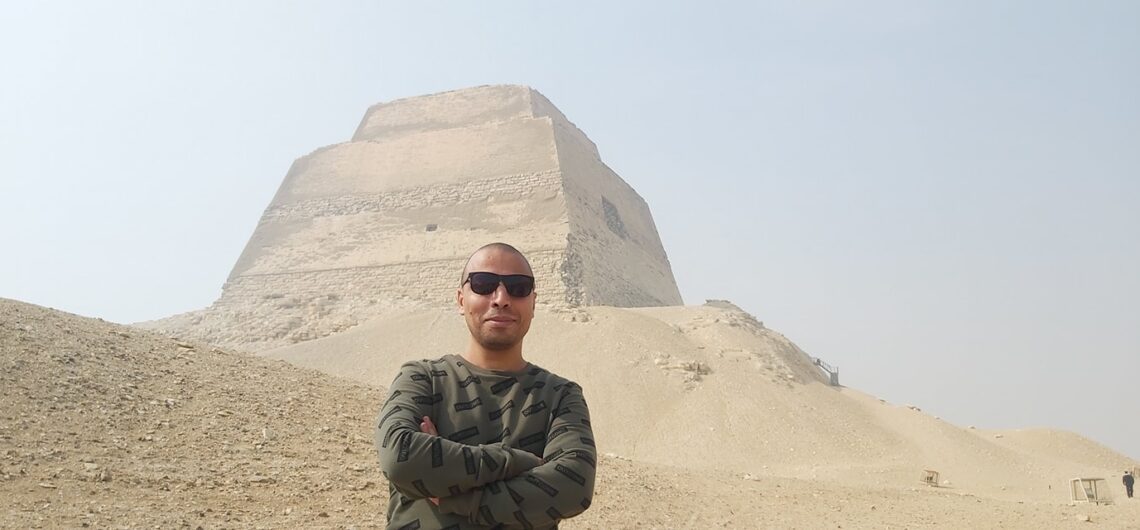
Nestled along the western edge of the Faiyum Oasis, about 100 kilometers south of Cairo, lies the Meidum Pyramid—a captivating site that offers a unique glimpse into the architectural evolution of ancient Egypt. While often overshadowed by the more famous pyramids of Giza, Meidum is a treasure trove of history, intrigue, and architectural innovation. As a tour guide specializing in Egypt’s hidden gems, I invite you to join me on a journey to uncover the secrets of the Meidum Pyramid and explore its significance in the annals of ancient Egyptian history. The Enigmatic History of Meidum The Meidum Pyramid stands as one of Egypt’s earliest attempts to construct a true pyramid and marks a significant milestone in the evolution of pyramid building. Initially commissioned by Pharaoh Huni, the last king of the Third Dynasty (around 2600 BCE), it was later completed and modified by his successor, Pharaoh Sneferu, the founder of the Fourth Dynasty. This pyramid was originally designed as a step pyramid, similar to the famous Pyramid of Djoser at Saqqara, and was later encased in smooth limestone to create a classic pyramidal shape. Despite its ambitious design, the Meidum Pyramid experienced structural instability, leading to the collapse of its outer layers. This collapse transformed its appearance into a unique shape with a tower-like core and surrounding debris, earning it the nickname "The Collapsed Pyramid." While initially seen as a failure, the Meidum Pyramid was a crucial learning experience that informed the construction of later pyramids, including the Bent Pyramid and the Red Pyramid at Dahshur. Architectural Evolution and Significance The Meidum Pyramid is often considered a bridge between the step pyramids of the Third Dynasty and the smooth-sided pyramids of the Fourth Dynasty. It marks the transition from experimental designs to the more refined techniques that would be
Nestled along the western edge of the Faiyum Oasis, about 100 kilometers south of Cairo,
In the vast desert of Egypt, where the sands hold whispers of ancient kings, lies Dahshur, a site steeped in history and mystique. This remarkable place is where the visionary Pharaoh Snefru first realized his monumental architectural ambitions, leaving a legacy that continues to inspire awe and wonder. Dahshur is more than just a collection of ancient pyramids; it is a testament to human ingenuity, ambition, and the enduring quest for immortality. The Visionary Pharaoh: Snefru’s Ambitious Dream Around 2600 BC, Pharaoh Snefru ascended to the throne as the first Pharaoh of the Fourth Dynasty. Snefru was a ruler with grand ambitions, determined to create Egypt's first true pyramid. His vision was nothing short of monumental, as he sought to craft a symbol of divine authority and everlasting legacy that would stand the test of time. Snefru's pioneering journey into pyramid construction began with the Bent Pyramid, located at Dahshur. This bold architectural experiment marks a significant milestone in the evolution of pyramid building. The Bent Pyramid stands out with its unique and distinct angle, reflecting the early challenges faced by architects in their pursuit of structural perfection. Its abrupt change in slope midway through the structure serves as a testament to the lessons learned in stability and grandeur during this formative period of pyramid construction. Despite its unconventional shape, the Bent Pyramid laid the foundation for future architectural advancements. Snefru's determination to learn from mistakes and push forward led to the commissioning of the Red Pyramid, also known as the North Pyramid. Here at Dahshur, Snefru achieved what no one had before: the creation of the first successful smooth-sided pyramid in Egyptian history. With its crimson hue and soaring structure, the Red Pyramid symbolizes a breakthrough in architectural design and lays the groundwork for the monumental pyramids that would
In the vast desert of Egypt, where the sands hold whispers of ancient kings, lies
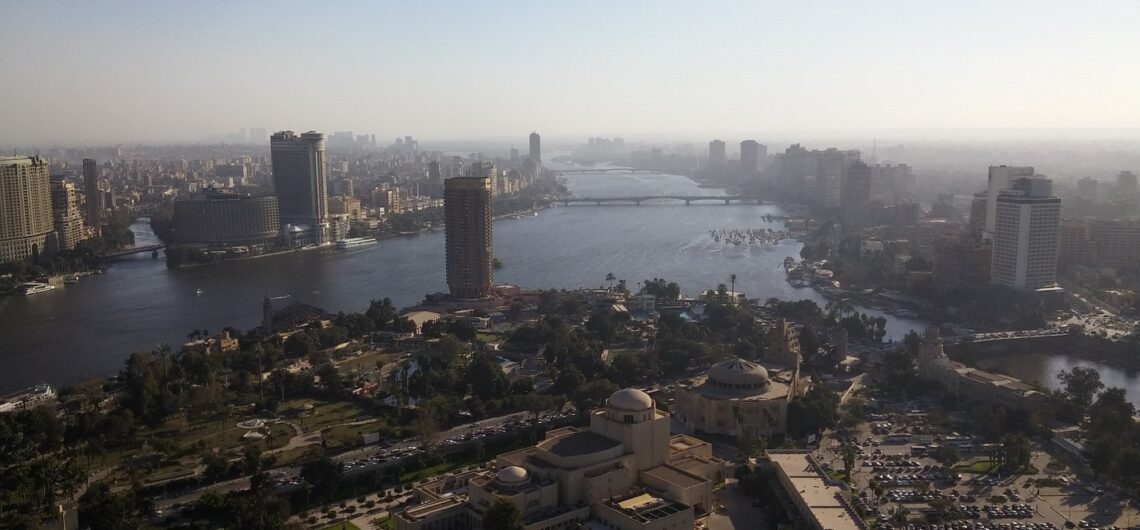
What are the essential experiences in Cairo? Cairo, the lively capital of Egypt, boasts a wealth of history, culture, and architectural marvels. Here's a list of must-do activities in Cairo: 1. Discover the legendary Giza Plateau and marvel at the Pyramids of Giza, including the iconic Great Pyramid of Khufu, the Pyramid of Khafre, and the Pyramid of Menkaure. Don't forget to visit the nearby Sphinx. 2. Immerse yourself in ancient Egyptian history at the Egyptian Museum in Tahrir Square, home to a vast collection of artifacts, including the famed treasures of Tutankhamun. 3. Lose yourself in the bustling ambiance of Khan El Khalili, one of the oldest bazaars in the Middle East, where you can shop for souvenirs, spices, jewelry, and traditional crafts. 4. Explore the historic Saladin Citadel, a medieval Islamic fortress offering panoramic views of Cairo. Inside, admire the impressive Mohamed Ali Mosque. 5. Roam the enchanting streets of Islamic Cairo, where landmarks like the Sultan Hassan Mosque, Al-Rifa'i Mosque, and the historic Al-Azhar Mosque await your discovery. 6. Delve into the rich heritage of the Coptic Quarter, home to ancient Christian sites such as the Hanging Church (Saint Virgin Mary's Coptic Orthodox Church) and the Coptic Museum. 7. Wander through the labyrinthine lanes of Old Cairo (Misr Al-Qadima) to encounter historic architecture, local markets, and hidden gems. 8. Cruise along the majestic Nile River, whether by day or night, and consider a cruise with dinner and entertainment for a memorable experience. 9. Unwind in the tranquil surroundings of Al-Azhar Park, a beautifully landscaped oasis offering stunning views of the cityscape. 10. Visit Mokattam Hill to see the Cave Church and gain insight into the unique community of "Garbage City," renowned for its recycling and waste management practices. 11. Witness the captivating sound and light show at
What are the essential experiences in Cairo? Cairo, the lively capital of Egypt, boasts a