
Planning a Siwa Oasis trip is your gateway to exploring one of Egypt’s most remote and enigmatic locations. Known by various names such as Santariya by the ancient Arabs, the Siwa Egypt Oasis has had a rich history that spans millennia. Referred to as the Oasis of Jupiter-Amun and the Field of Palm Trees by the ancient Egyptians, Siwa has always held a unique position in the cultural and historical landscape of the Western Desert.

Early Inhabitants:
The Siwa Oasis is believed to have been occupied as early as the Paleolithic and Neolithic periods. Some scholars speculate that it might have been the capital of an ancient kingdom, possibly encompassing Qara, Arashieh, and Bahrein. During Egypt’s Old Kingdom, Siwa was part of the region known as Tehenu, the Olive Land, which may have extended as far east as Mareotis.
Unlike other oases in the Western Desert, Siwa Egypt is predominantly inhabited by Berbers, the indigenous people of North Africa. These communities once roamed the region between Tunisia and Morocco and are believed to have inhabited the area as early as 10,000 BC, moving inland over time due to invading forces. Consequently, Siwa is more North African than Egyptian, with distinct languages, traditions, and cultural practices that set it apart from other Western oases.
Egyptian and Greco-Roman Periods:
There is little evidence of Siwa’s connection to ancient Egypt until the 26th Dynasty when the Gebel el-Mawta Necropolis was established. It remained in use through the Roman Period. However, the extent of Siwa’s integration into the Egyptian empire remains uncertain. A famous story from this period involves Cambyses II of Persia, who sent an army to seize control of the oasis. The entire caravan disappeared in the desert, adding to Siwa’s aura of mystery.
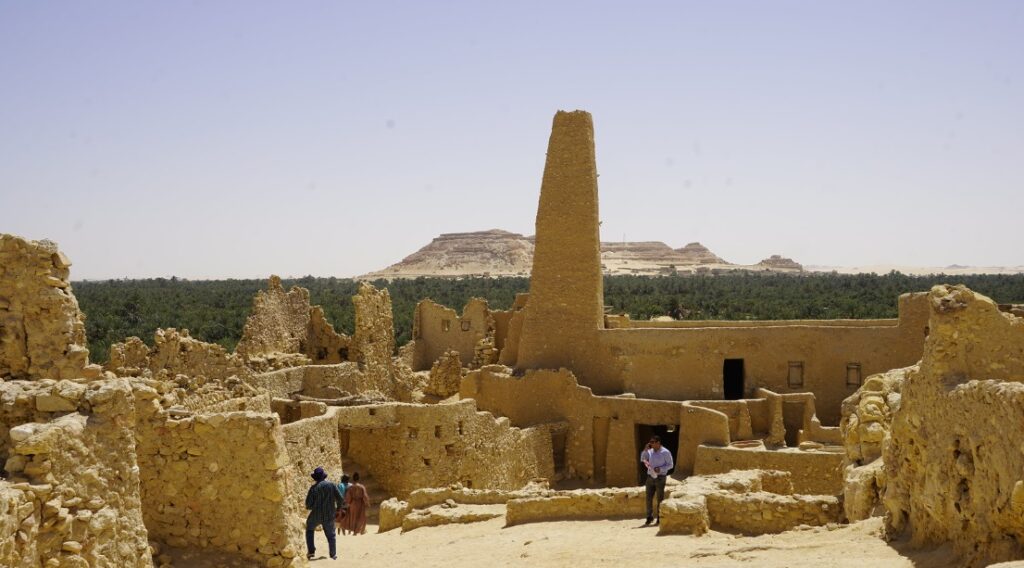
It was the Greeks who brought Siwa Egypt into the historical spotlight. After establishing themselves in Cyrene (modern-day Libya), they discovered the Temple of Amun Siwa, which became famous after Alexander the Great visited the site. His journey to consult the oracle, where he was proclaimed a god, is well-documented and remains one of the most notable events in the history of Siwa Egypt.
Roman and Byzantine Periods:
During the Roman period, the Siwa Oasis became a place of banishment for political prisoners. While Christianity struggled to establish itself in Siwah Egypt, some sources suggest that the Temple of Amun was converted into the Church of the Virgin Mary during the Byzantine era. However, there is little archaeological evidence to support this claim.
Islam arrived in Siwa Egypt in 708 AD, but the Siwans resisted its influence initially, withdrawing to their fortress to fight against invading forces. It was not until 1150 AD that Islam truly took hold in the Siwa Oasis.
Medieval and Ottoman Periods:
By 1203, the population of Siwa had dwindled due to constant attacks, prompting the remaining inhabitants to move from the ancient town of Aghurmi to establish the fortified town of Shali. This new settlement, built with only three gates, became a refuge for the Siwans.
Conflict between the original inhabitants (known as the Easterners) and the new families (the Westerners, or “The Thirty”) was frequent, often erupting into violence. European explorers who visited Siwa Oasis Egypt during this time, such as W.G. Browne and Frederick Hornemann, encountered a community that was wary of outsiders and resistant to foreign influence.
In the early 19th century, Muhammad Ali Pasha, the founder of modern Egypt, sent troops to conquer Siwa Egypt Oasis. Despite initial resistance, the Siwans were eventually subdued, and the oasis was incorporated into the Egyptian state.
Modern Era:
By the 20th century, Siwa Egypt had become more integrated into modern Egypt. During World War I, it found itself caught between opposing forces, with the Sanusi religious order exerting significant influence over the local population. The British eventually occupied Siwa Oasis in 1917, marking the end of Sanusi dominance.
World War II also left its mark on Siwa Oasis, as it was occupied by Allied troops and bombed by Axis forces. After the war, Siwah Egypt remained relatively isolated, but tourism began to develop, particularly with the establishment of the Prince Farouk Hotel.
Present Day:
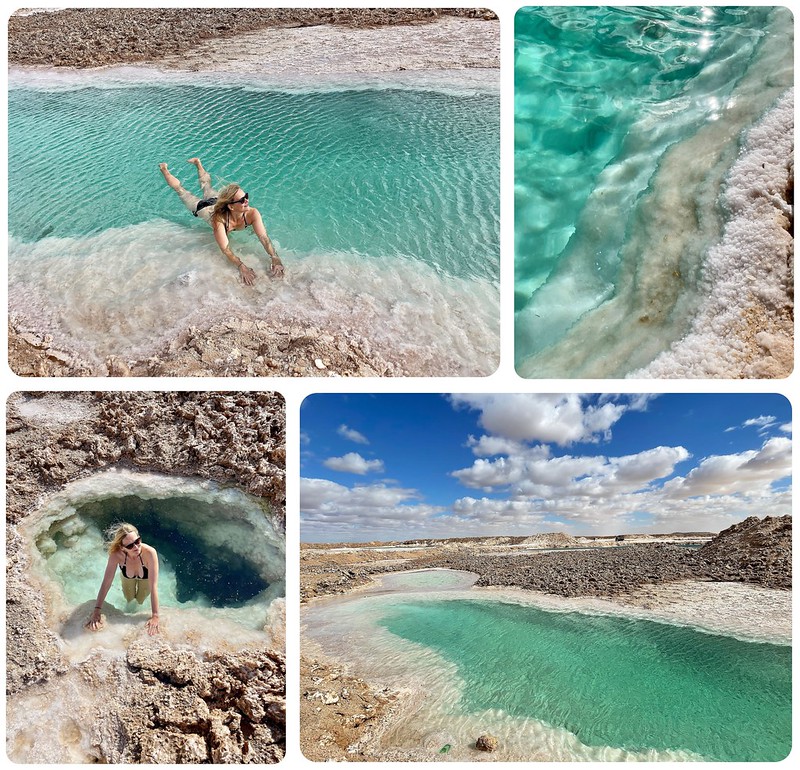
Today, Siwa Oasis is a unique blend of ancient traditions and modern tourism. Visitors can explore the ruins of the ancient temples, enjoy desert tours, and experience the rich cultural heritage of the Berber people. The town now offers a range of accommodations, including an ecolodge built in 1997 as part of a sustainable tourism initiative. Among the natural attractions, the Siwa Oasis Salt Lake is a must-visit. Despite its isolation, Siwa remains a vibrant and historically significant part of Egypt’s Western Desert, making it a compelling destination for those seeking an authentic and enriching Siwa Oasis tour experience.

Comments