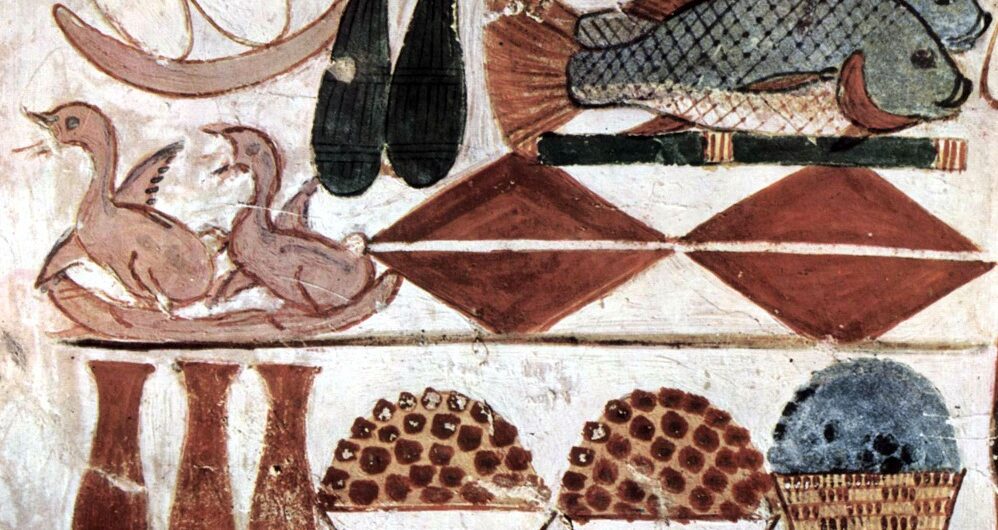
Ancient Egyptian Cuisine
The ancient Egyptians enjoyed a diverse and rich diet, with many of their culinary staples echoing modern tastes. In comparison to other ancient civilizations, their access to a variety of high-quality foods was unparalleled, largely thanks to the fertile lands surrounding the Nile River. The Nile not only provided irrigation for crops but also supported livestock and fishing. This abundance allowed ancient Egyptians to cultivate a wide range of foodstuffs that nourished both the wealthy elite and the common people.
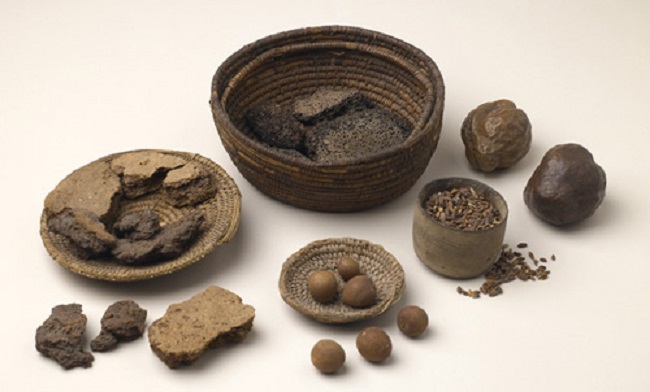
What Did the Ancient Egyptians Eat and Drink?
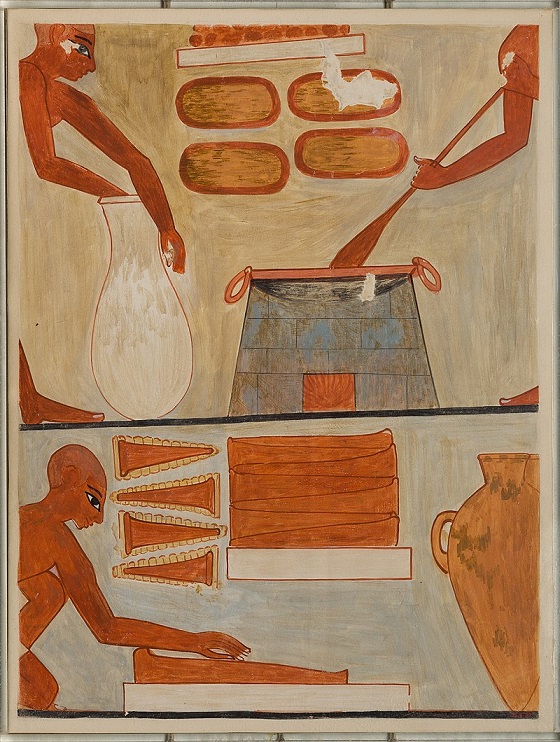
The diet of ancient Egyptians was built around a few key staples, primarily bread and beer. These two items formed the backbone of their daily meals and were consumed by both the rich and poor. Bread, made from barley or emmer wheat, was baked daily, often with the help of laborious techniques. Women typically took on the task of grinding the grain into flour. In an effort to speed up the process, sand was sometimes mixed in during grinding, which later caused health problems. Many mummies have been found with teeth worn down to the pulp due to years of eating bread laced with sand. The dough, made from flour mixed with water and yeast, was placed into clay molds and baked in stone ovens.
Beer was equally important in the daily diet. To make beer, ancient Egyptians used a unique type of bread, known as ‘beer bread.’ This bread contained a higher concentration of yeast and was baked at lower temperatures to keep the yeast culture alive. The bread was then crumbled into water-filled vats and left to ferment, producing a thick and frothy beer that was highly nutritious. Unlike modern beer, this version was consumed out of necessity because the Nile’s water was unsafe to drink. The importance of bread and beer to Egyptian cuisine is evident in countless ancient Egyptian food pictures found on tomb walls and pottery, where these staples are prominently depicted.

Ancient Egyptian Food Recipes and Ingredients
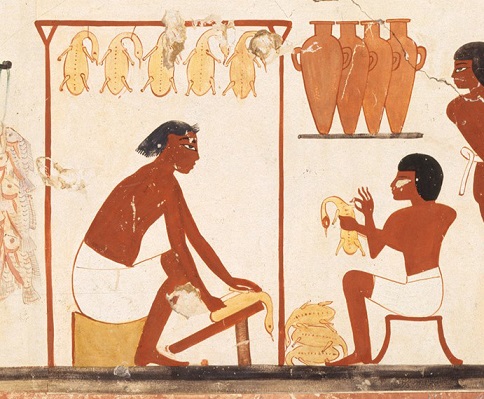
Though no complete ancient Egyptian food recipes have survived the test of time, evidence from tomb murals and kitchen utensils suggests that Egyptians employed a variety of cooking techniques. They baked, boiled, stewed, fried, grilled, and roasted their food. In the absence of modern sweeteners like sugar, they used honey, date syrup, and fig syrup to add sweetness to their dishes. Ancient Egyptian food facts reveal that condiments such as cumin, coriander, and cinnamon were used to enhance flavor. Tomb murals and inscriptions provide glimpses into how food was prepared and consumed, with scenes showing people baking bread, making beer, and preparing meat for meals.
The ancient Egyptian food list included an array of vegetables like onions, garlic, leeks, lentils, lettuce, radishes, and turnips. These were not just used for flavor but also served as important sources of nutrition. Fruits, another key component of the ancient diet, included figs, dates, apples, and pomegranates. Most vegetables were consumed alongside bread and beer, while fruits were typically enjoyed as a dessert or snack.
Fish from the Nile was a critical source of protein for both the poor and the rich. It was often preserved by salting or drying so that it could be stored for long periods. Another source of protein came from poultry, including geese, ducks, pigeons, and quails. These birds could be hunted in the wild, making them accessible to the lower classes, though they were considered a luxury. Wealthier Egyptians had access to what ancient Egyptians ate for dinner on special occasions—meat such as pork, mutton, and the more expensive beef. These meats were typically reserved for celebrations or religious rituals and consumed less frequently by the general population.
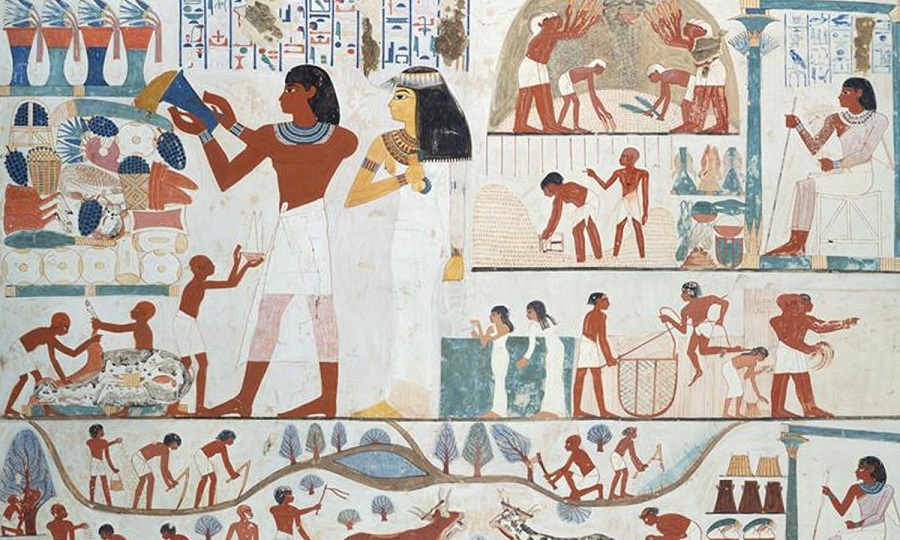
How Did the Nile Contribute to Agriculture?
The Nile River played a pivotal role in shaping ancient Egyptian agriculture. Its annual flooding rejuvenated the land, depositing nutrient-rich silt that allowed the Egyptians to cultivate crops with great success. Apart from the essential grains used to make bread and beer, the Nile’s fertile banks supported the growth of a variety of vegetables and fruits. What did ancient Egyptians eat and drink? Their daily meals included not just bread and beer, but also a wide variety of produce from the surrounding farmlands.
The Nile also provided ample fish, a crucial source of protein for the masses. Fish, along with poultry, was often salted and dried to extend its shelf life. Poultry was especially prized among the lower classes as they could hunt it in the wild, though it was still seen as a special treat. Ancient Egyptian food facts tell us that the rich enjoyed more regular access to luxurious meats such as pork and beef, which were otherwise reserved for celebratory occasions for the common people.
Ancient Egyptian Food Preparation Techniques
One of the most fascinating aspects of studying ancient Egyptian food recipes is discovering how food was prepared. Though no written recipes exist, we know from depictions on tomb walls that Egyptians used a variety of cooking techniques. Bread was baked in stone ovens, while meat and vegetables were often grilled or roasted over open fires. Frying and stewing were also common methods of preparing food. Evidence suggests that ancient Egyptians used herbs and spices like cumin, coriander, and cinnamon to season their dishes.
In terms of sweeteners, the Egyptians relied on natural ingredients such as honey and syrups made from dates, figs, and grapes. These sweet ingredients were used to create dishes that balanced savory and sweet flavors—a hallmark of ancient Egyptian food recipes.
What Did Ancient Egyptians Eat for Dinner?
What did ancient Egyptians eat for dinner? Their evening meals typically consisted of bread, beer, and a combination of vegetables and fruits. For those who could afford it, poultry or fish often rounded out the meal. Wealthier families might include red meat like beef or mutton, but this was rare for the average Egyptian. Dinner was often a communal affair, with food shared among family members.
Ancient Egyptian Food—A Diverse and Nutritious Diet
The ancient Egyptian diet was both diverse and nutritious, thanks to the abundance provided by the Nile River. From staples like bread and beer to an array of vegetables, fruits, and meats, the Egyptians had access to a wide range of foodstuffs that sustained their civilization for centuries. Although no detailed ancient Egyptian food recipes have survived, what we do know from ancient Egyptian food facts paints a picture of a society that took pride in its culinary traditions. The variety of food available to both the rich and poor, combined with the unique flavors provided by natural herbs and sweeteners, showcases the richness of their cuisine.
As we look at ancient Egyptian food pictures and study their food preparation methods, we can see clear parallels with some of today’s culinary practices, offering a fascinating glimpse into the past.

Comments