
In the vast desert of Egypt, where the sands hold whispers of ancient kings, lies Dahshur, a site steeped in history and mystique. This remarkable place is where the visionary Pharaoh Snefru first realized his monumental architectural ambitions, leaving a legacy that continues to inspire awe and wonder. Dahshur is more than just a collection

The Egyptian Pyramids represent an enduring symbol of ancient civilization, engineering prowess, and the intricate beliefs surrounding the afterlife. These pyramid-shaped monuments, primarily constructed as funerary tombs and ceremonial complexes for the departed pharaohs, are emblematic of Egypt’s rich cultural and historical heritage. Spanning various periods of ancient Egyptian history, from the Old Kingdom (2575
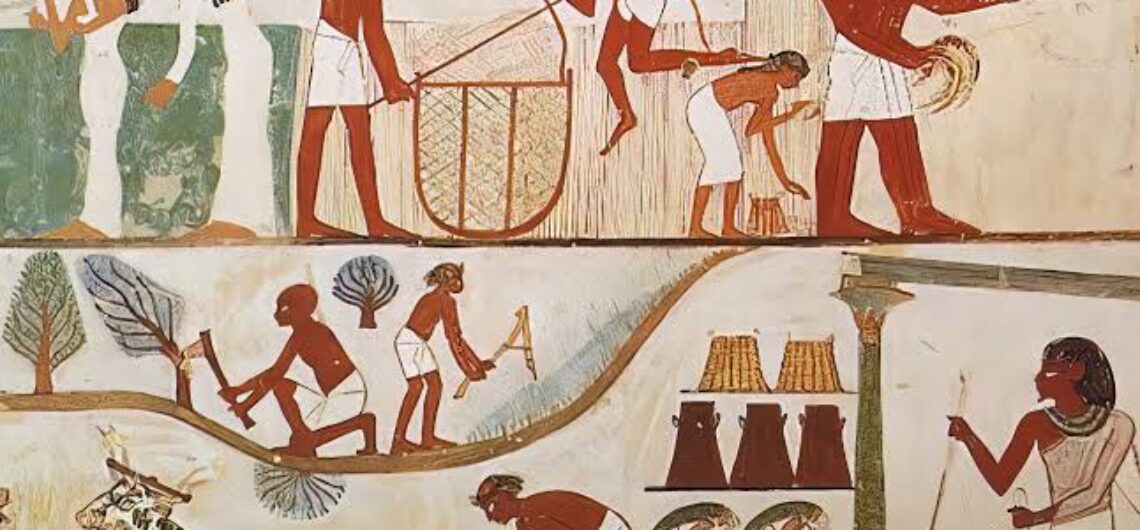
This ancient attendance sheet from 3,200 years ago in Ancient Egypt is quite a fascinating find. It’s carved on limestone and covers 280 days of the year, listing 40 different names and dates in black ink. What makes it even more intriguing are the red notes detailing the reasons for absences: 1. Drinking with Khonsu
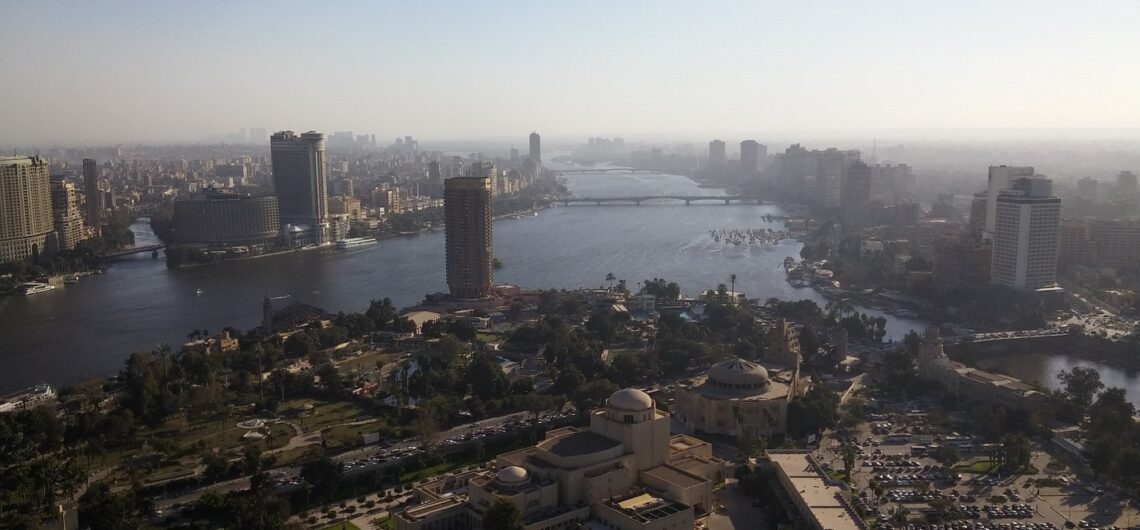
What are the essential experiences in Cairo? Cairo, the lively capital of Egypt, boasts a wealth of history, culture, and architectural marvels. Here’s a list of must-do activities in Cairo: 1. Discover the legendary Giza Plateau and marvel at the Pyramids of Giza, including the iconic Great Pyramid of Khufu, the Pyramid of Khafre, and

In 1817, Giovanni Belzoni, an Italian explorer, made an intriguing discovery in the Valley of the Kings. He stumbled upon a tomb, not adorned with any paintings, which had been previously searched by ancient explorers. Inside this tomb, Belzoni found a sizable chamber with a lone pillar at its center. The walls were un-plastered, revealing

On September 27, 1822, Jean-Francois Champollion achieved a monumental breakthrough by deciphering Egyptian hieroglyphics, a language that had remained a mystery for centuries. This pivotal moment allowed Egyptian civilization to speak for itself through inscriptions on stone and papyrus, marking the birth of Egyptology as a scientific discipline. The catalyst for this decipherment was the

“But when we came to a golden shrine with doors closed and sealed, we realized that we were in the presence of the Dead King. We were to witness the spectacle such as no other man in our times had been privileged to see. Howard Carter The discovery of the tomb of King Tutankhamun in
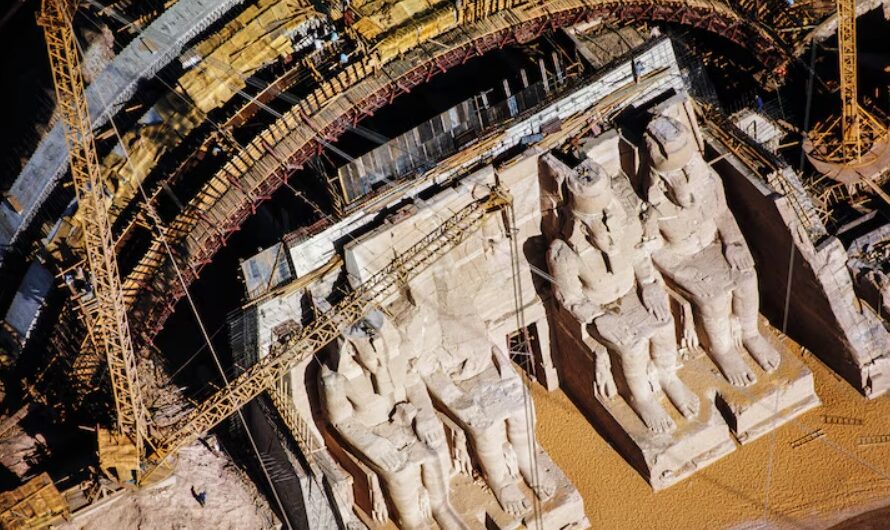
I met a traveler from an antique land Who said: Two vast and trunkless legs of stone Stand in the desert. Near them, on the sand, Half sunk, a shattered visage lies, whose frown, And wrinkled lip, and sneer of cold command, Tell that its sculptor well those passions read Which yet survive, stamped

“Life to the strong bull, Beloved of Maat, King of Upper and Lower Egypt, Son of Ra, Ramses beloved of Amun, Beloved of Rahorakhty, the great god, Beloved of Amun, King of the gods.” These titles and epithets resound through history, honoring one of ancient Egypt’s most illustrious pharaohs, Ramses II. Amidst the sands of
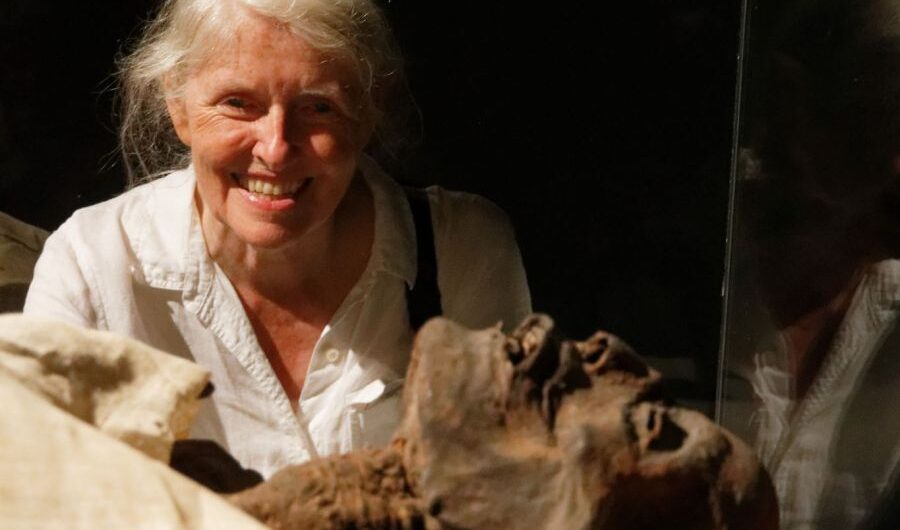
In 2003, Egypt celebrated a significant event: the return of a royal mummy that had been forgotten for over 130 years, hidden away in a freak show museum. This story revolves around the rediscovery and homecoming of a mummy with a surprising identity, one that unraveled over decades of research and investigation. The tale begins