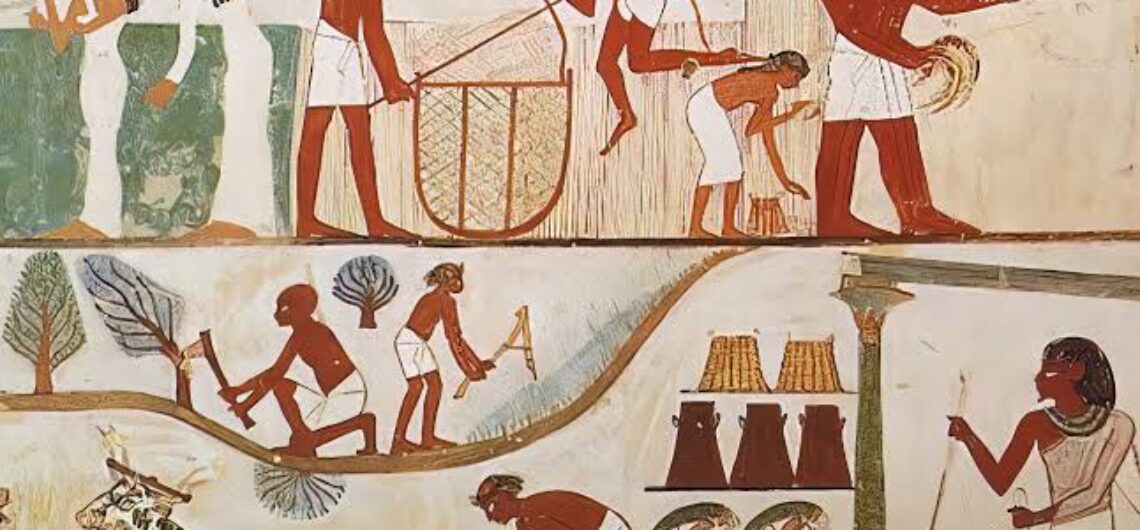
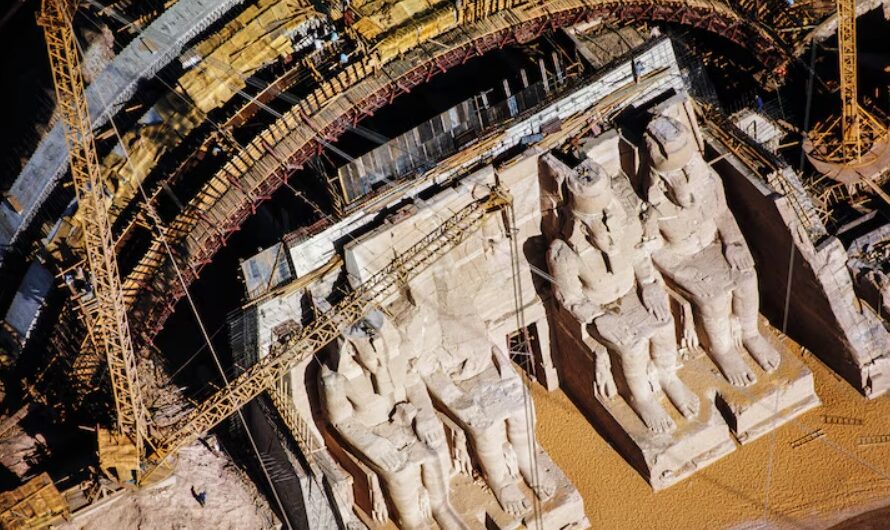
The Egyptian Pyramids represent an enduring symbol of ancient civilization, engineering prowess, and the intricate beliefs surrounding the afterlife. These pyramid-shaped monuments, primarily constructed as funerary tombs and ceremonial complexes for the departed pharaohs, are emblematic of Egypt's rich cultural and historical heritage. Spanning various periods of ancient Egyptian history, from the Old Kingdom (2575 BC to 2150 BC) to the Middle Kingdom (2050-1550 BC) and beyond, these architectural marvels continue to captivate and intrigue people worldwide. To date, approximately 118 pyramids of various definitions have been discovered across Egypt, although some sources cit e a slightly higher number, around 138. These pyramids are predominantly situated on the west bank of the River Nile, strategically placed to symbolize the journey of the deceased into the afterlife. Grouped into several clusters or pyramid fields, they serve as a testament to the meticulous planning and ingenuity of ancient Egyptian architects and laborers. The construction of pyramids evolved from earlier structures known as mastabas, which were mudbrick bench-like tombs built during the Early Dynastic Period. Mastabas featured rectangular funerary chambers with inward sloping sides, often containing burial chambers and serdabs for storing precious items and offerings. Over time, these mastabas evolved into more elaborate structures, culminating in the iconic pyramid form. The Step Pyramid of Djoser, also known as the Pyramid of Djoser, stands as the earliest known pyramid-like structure in Egypt. Built during the 3rd Dynasty of the Old Kingdom, it marked a significant advancement in architectural innovation. Initially, it began as a square mastaba-like structure but was later developed into a six-stepped monument with an underground labyrinth of chambers and galleries. Serving as the funerary tomb of Pharaoh Djoser, the Step Pyramid complex aimed to ensure his eternal rebirth and facilitate a successful afterlife journey. Subsequent pyramid constructions further refined the
The Egyptian Pyramids represent an enduring symbol of ancient civilization, engineering prowess, and the intricate